

Running a founder-led brand means wearing many hats – from product development and sales to creative marketing. If you’re a founder or part of a small team, you’ve likely felt the crunch of having big creative goals but limited time and resources. The good news is that artificial intelligence (AI) has rapidly evolved from a tech buzzword into a practical helper for businesses of all sizes. In fact, AI has quickly gone from a trend to a business essential, and not just for large corporations – small businesses everywhere are using AI to save time, create better content, and drive stronger results across email, social media, and beyond. As one marketing report notes, it’s not only the Coca-Colas of the world embracing AI; countless smaller businesses are putting this tech to good use in their own marketing.
For a founder, this means AI can act like an “extra set of hands” in your creative process. Imagine having a tireless brainstorming partner, a junior copywriter who drafts content at lightning speed, or an eagle-eyed editor that checks for consistency – all available on demand. This guide will walk you through practical ways AI can supercharge your creative strategy: helping your small team brainstorm campaign ideas, test and refine those ideas, and stay consistent across all your marketing channels. We’ll also look at how AI applies in specific industries (like restaurants, B2B, podcasts, and health/wellness) and provide a handy checklist to get you started. By the end, you’ll see how even a lean founder-led brand can leverage AI to punch above its weight creatively, all while keeping your unique brand voice intact.

Brainstorming Campaigns with an AI Co-Pilot
Great marketing campaigns start with great ideas – but when you’re a busy founder, brainstorming new content or campaign angles can feel like a luxury you don’t have time for. This is where AI can step in as your creative co-pilot. Modern AI tools (such as generative text assistants) excel at rapid idea generation. Whether you need a catchy slogan for a new product, fresh social media content ideas, or a theme for your next campaign, AI can churn out a slew of concepts in seconds. Think of these tools as an always-available brainstorming partner that never runs out of suggestions. According to one overview, AI can generate concepts in seconds and act like a “brainstorming partner,” helping you come up with blog topics, campaign ideas, and social media strategies.
Crucially, you remain the director of this creative exercise. You might prompt an AI with a question like, “What are some creative ways to promote a new seasonal menu for a farm-to-table restaurant?” and get back a list of potential campaign ideas almost instantly. A busy restaurant owner, for example, could ask an AI for five unique fall promotion ideas and receive suggestions ranging from themed tasting nights to Instagram contests, complete with hashtag ideas. A B2B startup founder might prompt an AI for webinar topic ideas that would attract their target clients, or a health & wellness coach might brainstorm new content series for the company blog. In all cases, the AI provides a starting point – a wealth of raw ideas to spark your imagination. You can then build on the ideas you like best and mold them to fit your brand’s personality.
Another benefit is that AI can help you think outside the box. It isn’t limited by the same assumptions or ruts we humans sometimes fall into. For a podcast creator, for instance, an AI tool could propose episode topics or guest angles you hadn’t considered. If you’re struggling with a creative block, generating a dozen off-the-wall ideas with AI can help break the dam and get your own thoughts flowing. Many founders use AI this way to overcome “blank page syndrome.” The key is to treat the AI’s output as a jumping-off point – you will likely refine or combine the suggestions, but it saves you from starting from scratch. As a bonus, this process can be surprisingly fast and fun, almost like having a creative jam session with a teammate (except this teammate works 24/7 and doesn’t mind how many ideas you ask for!).
Finally, remember that the quality of AI brainstorming depends on the prompts and context you give it. If the first batch of ideas feels too generic, try feeding the AI more specifics about your brand or audience, or ask it to push the ideas in a certain direction (“make the ideas more playful,” or “target Gen Z consumers,” etc.). AI’s ability to iterate quickly means you can do multiple rounds of idea generation in minutes. You’re essentially doing a rapid-fire creative sprint that might have otherwise taken days of sporadic inspiration. By leveraging AI early in your creative strategy process, small teams can generate a volume of campaign concepts like never before, then spend their energy picking the gems and polishing them into fully realized strategies.

Using AI to Test and Refine Your Ideas
Coming up with ideas is one thing – figuring out which ones will actually resonate with your audience is another. Traditionally, testing different marketing approaches could be costly or time-consuming. But AI gives founder-led brands a way to prototype and experiment with ideas quickly and cheaply. How? One approach is by using AI to generate draft content and multiple variations of your marketing materials, so you can evaluate and refine them before fully launching a campaign.
Let’s say you have a campaign idea – for example, an email marketing push for a new service, or a set of Facebook ads for an upcoming event. Instead of writing one version and crossing your fingers, you can ask an AI tool to draft several variations of the content. In seconds, you might get five different email subject lines, three alternate opening paragraphs for your newsletter, or a dozen tagline options for that ad. This allows you to compare and pick the most compelling elements. In marketing, this technique of creating variations is often used for A/B testing, and AI makes it trivially easy. As one guide explains, writing copy for ads or social posts can be a challenge, especially when you need many variations – AI can generate different options, helping you test and refine your message for maximum impact. In other words, you no longer have to guess which tagline will work best; you can quickly produce a few and see which one strikes a chord (either by informal feedback or a small-scale test run).
AI can also speed up content creation in general, which means you can execute small “trial runs” of ideas without heavy lifting. For instance, if you’re unsure whether a blog topic will engage your audience, you could have AI write a quick outline or even a rough draft of a blog post. Skim that draft to gauge if the idea has substance and if it’s worth refining into a full article. If not, you’ve only spent a few minutes. If yes, you now have a head start. A marketing educator noted that writing content from scratch is time-consuming, but AI can generate first drafts quickly – allowing you to spend more time on refining the message rather than on the initial creation. For a founder juggling multiple roles, this is invaluable. You can test more ideas in the same amount of time.
Another area AI shines is in helping interpret results so you can refine your strategy. After you run a campaign or experiment with a piece of content, you’ll have data – email open rates, social engagement, sales numbers, etc. AI tools can assist by crunching that data or even summarizing qualitative feedback. For example, you could feed an AI your social media comments or customer reviews, and ask it for common themes or sentiments. Or export your campaign metrics and let the AI highlight which audience segment engaged the most. Canva’s marketing team points out that after a campaign, you can import all your performance data into an AI writing tool and generate an executive summary of what happened and why – in a digestible format that even non-marketers can understand. This kind of AI-generated “retrospective report” helps a small team learn and iterate faster. You can quickly pinpoint what worked and what didn’t, then adjust your next campaign accordingly.
In short, AI enables a rapid build-measure-learn cycle for creative strategy. You brainstorm ideas (with AI’s help), build content prototypes (with AI speeding up drafts and variations), measure results (with AI aiding analysis), and then learn and tweak your approach. This agile process used to be a luxury for bigger companies with research budgets, but now even a bootstrapped startup or a single-person marketing team can do it. Just remember, while AI can generate and test, the human touch is still crucial in reviewing and interpreting. You’ll want to review every AI-generated output for sense and quality (more on that in the next section) and use your intuition about your customers when deciding which ideas to run with. AI gives you the options and information to make better decisions – but you, as the founder, make the final call.

Staying Consistent Across Channels with AI
One of the toughest challenges for any brand (big or small) is maintaining a consistent brand voice and look across all the different channels and content you produce. When you’re a founder-led team, you might be creating everything from Instagram posts and website pages to flyers and email newsletters yourself. It’s easy for messaging to drift or visuals to feel disjointed when you’re moving fast. AI can help solve this by acting as a kind of brand guardian in your creative process. With the right approach, you can use AI to ensure that no matter who on your team (or which AI) is creating content, it all feels like your brand.
How do you teach an AI to “speak” in your brand voice or stick to your style guidelines? The trick is to train the AI with your brand inputs. Many AI writing tools now allow you to provide context like brand descriptions, tone-of-voice guidelines, or even samples of your previous content. For instance, Canva’s AI content assistant has a feature where you can import your brand guidelines so that the AI-generated content comes out already speaking your brand’s language. The result is that the copy suggestions or social posts it creates will feel much closer to what you’d write yourself. This saves you editing time and keeps your messaging cohesive. Similarly, AI design platforms can be fed your brand’s color palettes, fonts, and logo assets, and then assist in generating visuals that match. According to a branding technology company, **AI platforms can now generate on-brand visuals and adapt designs to different formats, allowing teams to scale content for various channels without compromising brand integrity. By training an AI on your specific image style (your preferred photo aesthetic, color tone, etc.), all your marketing visuals – from social media graphics to email banners – can maintain a cohesive look across the board.
Consistency isn’t just about visuals and logos; it’s also about tone and terminology. AI can be used to audit your content for consistency too. For example, an AI text editor can scan a batch of your posts or pages to flag if your tone suddenly shifts or if you’re using inconsistent terminology. Optimizely’s marketing blog suggests using AI prompts like “Review this content and flag any instances where the tone shifts from formal to casual” – a way to let AI help catch those jarring inconsistencies in voice AI can even suggest edits to maintain a uniform voice (e.g. ensuring your brand that usually sounds friendly doesn’t accidentally produce a too-stuffy paragraph somewhere). As another guide put it, building an AI model on your brand’s style guide and examples can yield much more targeted and valuable output, because the AI learns to emulate your standards. In practice, this might mean spending some upfront time feeding your AI tool with approved content and correction feedback. But once it’s tuned, you essentially have a virtual editor who knows your brand as well as you do, catching off-brand elements before they go out.
All that said, human oversight remains non-negotiable. AI will follow the rules and patterns it’s learned, but it doesn’t truly understand your brand values or the nuances of your audience like you do. It might occasionally produce a turn of phrase that technically fits the guideline but just doesn’t feel right. That’s why experts warn not to use AI for content consistency (or any content creation) without a human in the loop Think of AI as your assistant: it prepares the first draft or flags potential issues, but you make the final edits and approvals. By reviewing everything the AI creates, you ensure nothing tone-deaf or off-base slips through. As a small business advice article succinctly put it, AI isn’t about replacing you – it’s about amplifying and accelerating what you already do well. You, the founder, still define what “on-brand” means; the AI just helps you enforce it across all your creative work, and faster. With this partnership, even a tiny marketing team can consistently present a polished, unified brand presence on every channel, from Twitter to tradeshows.
AI in Action: Examples from Key Industries
To make these ideas more concrete, let’s look at how founders in a few different industries can use AI in their creative strategy. Design Hiro works with a variety of small businesses, so we’ll spotlight some use cases in restaurants/hospitality, B2B companies, podcasts, and health/wellness brands. No matter your sector, the principles remain similar – but the execution can be tailored to your field.
Restaurants & Hospitality
Figure: A restaurant owner or chef uses a digital tablet to plan marketing content, illustrating how AI tools can assist with creative strategy in hospitality.
For restaurant and hospitality businesses, marketing often includes enticing visuals of food, engaging social media posts, and timely promotions. AI is becoming a secret sauce for many savvy restaurant owners. In fact, a recent industry survey found that 79% of restaurant operators in the U.S. are leveraging AI in some form, with marketing and content creation as a top use-case. How does this play out day-to-day? A restaurant founder can use AI to brainstorm seasonal campaign ideas (think of an AI as a virtual menu consultant suggesting themes for a spring brunch or a holiday catering promo). When it comes to content creation, AI can help write pieces like blog posts about your cuisine, generate Instagram caption ideas for your delicious food photos, or even create images – yes, AI image generators can produce realistic food imagery or graphics for your ads. One hospitality marketing director shared that his team uses AI for “marketing, SEO, social media posts and various other written tasks… The team also uses it for email responses and drafting job descriptions”. This shows how AI’s role can go beyond just customer-facing content to internal communications and HR, freeing up more time to focus on guest experience.
Critically, restaurants succeed on their unique brand vibe – whether it’s a cozy family-owned eatery or a trendy cocktail bar. AI can assist without diluting that vibe. For example, Spanish restaurant Lunya in the UK uses an AI content generator to summarize their email newsletters into bite-sized Facebook posts, and then a team member edits the tone to make sure it still sounds authentically “Lunya” before publishing. That’s a great model: AI does the heavy lifting of repurposing content across channels, while you ensure the final voice feels right. Additionally, AI can help analyze customer feedback for restaurants (like scouring online reviews to find common praises or complaints) – giving founders quick insight into what stories or improvements to highlight in their marketing. In short, hospitality brands can use AI as a multi-purpose assistant: whipping up appetizing content, handling repetitive writing tasks, and crunching feedback data, all in service of a more consistent and creative brand presence.
B2B Companies
Founder-led B2B companies (such as consultancies, software startups, or service providers) often face the challenge of making “dry” or complex information appealing. AI can be a game-changer here by helping translate your expertise into engaging content and ensuring you stay visible to potential clients. For instance, a B2B founder might use AI to generate LinkedIn articles or thought leadership blog posts based on their insights. You can feed an AI some bullet points or a technical whitepaper and ask it to draft a blog post that explains the key benefits of your solution in simple terms for a broader audience. This saves you from hours of writing and helps you produce a steady stream of content that establishes credibility. If your industry has a lot of jargon, you can instruct the AI to maintain a professional tone but simplify the language – effectively tailoring your message for different reader levels. Many AI writing tools have templates for things like press releases, case studies, or cold outreach emails, which can be a boon for a small B2B team.
Beyond content creation, B2B brands can leverage AI for personalization and customer communication. A classic example is using an AI-powered chatbot on your website to handle common inquiries from clients. Small B2B software companies have used conversational AI as a 24/7 digital assistant, standardizing responses to FAQs and ensuring every website visitor gets a prompt, on-brand answer. This not only improves lead conversion (since prospects get immediate info) but also frees the founder from answering the same questions over and over. AI can segment and nurture leads too: you might use AI to analyze which industries your website visitors come from and then tailor your email content automatically to speak to those industries’ pain points. Another creative use-case is proposal generation – some businesses use AI to draft the first version of proposals or sales decks, pulling in the relevant data and case studies you’ve provided. You always need to review and tweak these drafts, but it’s far faster than starting each proposal from a blank slide deck.
Consistency is key for B2B branding (often trustworthiness and expertise are the qualities to project). AI can help by ensuring your messaging doesn’t inadvertently stray. For example, if you have a terminology glossary (say, you prefer the term “clients” over “customers” or you have specific product naming conventions), you can have AI check your content against that. There are AI content governance tools that will flag if a blog post draft used an outdated term or off-brand phrasing Overall, B2B founders should see AI as a versatile tool: one that can generate polished content, maintain a consistent professional tone, handle routine communications, and even glean insights from data (like predicting which leads are most promising). This allows you to focus more on strategy and client relationships, while AI takes care of the heavy lifting in content and communication.
Podcasts and Creators
Content creators such as podcasters have a unique brand and creative strategy centered around their content (e.g. show episodes) and their personal brand voice. For founders growing a podcast or similar media brand, AI can help expand your reach without a large production team. One major use-case is repurposing content across channels: If you record a 30-minute podcast episode, that single piece of content can fuel your blog, newsletter, and social media – with a little help from AI. Podcasters are already using AI to automatically transcribe episodes and then turn those transcripts into well-structured blog articles. Instead of spending hours writing a recap or show notes, you could let an AI summarize your latest episode, highlight the key points, and draft a blog post or an email newsletter out of it. This not only saves time but boosts your SEO (since now you have text content that can be searched and shared).
AI can also create engaging social media content from podcast material. For example, you might feed the AI your episode transcript and ask for the most “tweetable” quotes or a few punchy pull-out quotes for Instagram. As a recent podcast marketing guide noted, AI tools can automatically extract memorable snippets and key insights from your episode and format them as social posts. You can even generate images or audiograms (short waveform videos of a clip) with AI assistance, to make your posts eye-catching. Some platforms combine these steps: you upload your audio, and they generate a transcript, summary, and 5 social posts for you in one go. For an independent creator, this is like having a mini marketing team rally behind each episode release.
Staying on-brand as a podcaster often means maintaining your voice and personality across formats. If you have a distinct style (say, humor or a motivational tone), you can train your AI helper by providing examples of your past writing or transcripts of your speaking. As a pro tip from content creators: you can even ask AI to emulate a certain writing style – possibly even your own, if you feed it enough samples. Of course, always review the AI-generated text to ensure it really sounds like you (you might find yourself tweaking jokes or adding personal anecdotes that an AI wouldn’t know to include). Finally, AI can assist in planning and research: before recording an episode, you could use AI to outline topic talking points or generate a list of questions for your guest. It’s like having a research assistant prep your show doc. With these AI boosts, podcast founders can consistently grow their content output and promotional efforts without burnout, making sure their creative strategy covers all bases – audio, text, and visual – in a coherent way.
Health & Wellness Brands
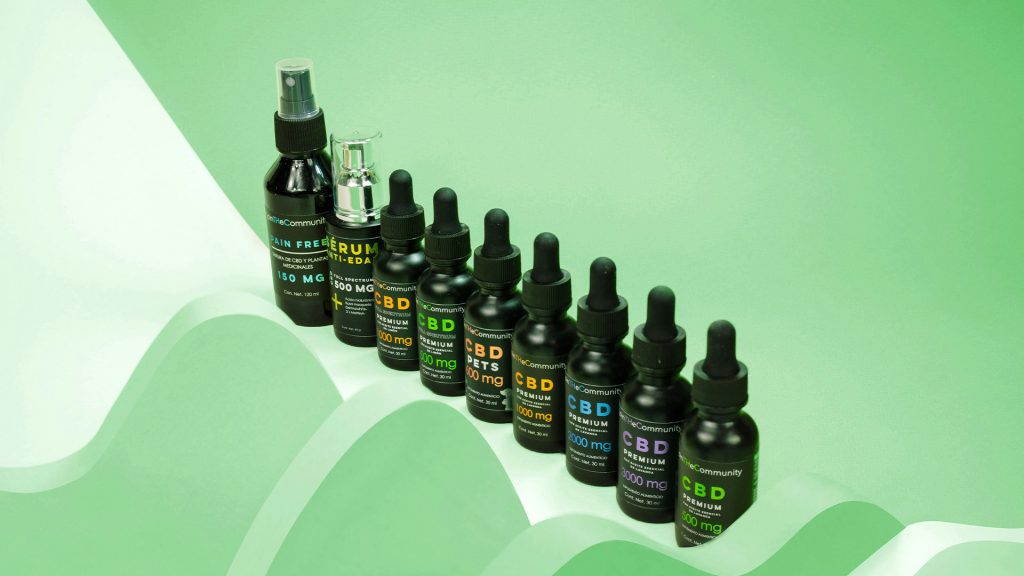
Founders in the health, wellness, and fitness space often have a ton of knowledge and passion, but not always a big team to crank out content or manage marketing. Here, AI can help translate that expertise into content that educates and inspires your audience on a regular basis. Consider a small yoga studio or fitness coach: They might use AI to brainstorm a month’s worth of social media posts (e.g. “Motivation Monday” quotes, wellness tips of the day, etc.) and get dozens of suggestions instantly. For longer content, AI could help draft blogs or video scripts on topics like nutrition advice or meditation techniques, based on the founder’s bullet points. One cool example is using AI for personalized content in wellness – something that traditionally required a lot of manual effort. For instance, a small fitness studio could use an AI tool to create personalized workout video snippets or plans for clients, tailored to their goals and preferences. That level of customization, done by hand, might be unfeasible for a tiny team, but AI can generate variations (beginner, intermediate, advanced workouts; or different diet plan suggestions) quite easily once you input the right parameters. It helps your brand offer a personal touch at scale, which is fantastic for customer engagement.
Another area where AI helps wellness brands is consistency in educational messaging. If you’re a health coach or run a wellness product brand, you likely share advice across platforms – blog articles, Instagram captions, email newsletters, maybe a podcast or YouTube channel. AI can assist in repackaging one core piece of content into many formats. Say you wrote a detailed guide about healthy meal planning on your blog; an AI could automatically pull out the top 5 tips from it and format those into an email or a quick infographic for social media. It ensures that the facts remain consistent (no risk of accidentally contradicting yourself) because the AI is working from your source material. And if you have a preferred tone – maybe you always aim to sound empathetic and encouraging – you can direct the AI to use that tone in every piece of content.
One important note in health and wellness: you should be extra careful to review AI’s output for accuracy. AI can sometimes “make up” information or oversimplify, which isn’t OK when giving health advice. Always fact-check any health-related content it produces against your own expertise or trusted sources. Use AI to lighten the load (like drafting a Q&A post on common nutrition questions) but then edit it to ensure everything is correct and aligns with your philosophy. When done right, AI allows wellness founders to maintain a consistent flow of helpful, on-brand content – from guided workout videos to blog posts – that keeps your community engaged and educated, even when you’re busy with day-to-day operations.