

Why Loyalty is the New Currency for Restaurants
In the competitive restaurant landscape of 2025, getting a guest to walk through your doors once is only half the battle. The real challenge is getting them to come back again and again.
The rising cost of customer acquisition and the abundance of dining choices make repeat business essential for profitability. That’s where a well-designed loyalty program comes in. But not just any program—the most successful restaurants are using smart, data-driven loyalty strategies that personalize the guest experience, build emotional connection, and drive real revenue.
In this article, we’ll explore how to turn casual visitors into loyal regulars by designing a loyalty program that feels more like a reward than a marketing tactic. We’ll also share examples, best practices, and the types of rewards and structures that actually motivate return visits.

Why One-Time Guests Don’t Come Back (and How Loyalty Programs Can Fix That)
Before you can build loyalty, you need to understand why guests don’t return. The average restaurant loses a majority of first-time visitors simply because there’s no strategy in place to retain them. A single visit doesn’t build a relationship—and without a compelling reason to come back, diners will move on to the next new spot.
Loyalty programs create the follow-up loop your restaurant needs. They keep your brand top-of-mind, incentivize return visits, and reinforce the guest experience through personalized rewards. Instead of treating each transaction as the end, loyalty systems turn it into the beginning of an ongoing relationship.
Key Benefits of Loyalty Programs:
- Encourages more frequent visits and higher average spend
- Increases lifetime customer value
- Provides valuable customer data for future marketing
- Creates brand advocates who refer friends and family

Elements of a High-Performing Loyalty Program
Designing a loyalty program that actually drives repeat visits requires more than a punch card or app badge. It must be thoughtfully structured to align with your guest behavior and brand values, while offering ease of use and real value to your customers.
A high-performing loyalty program integrates seamlessly into your operations, resonates with your audience, and motivates action. Here’s what that looks like:
1. Easy Enrollment
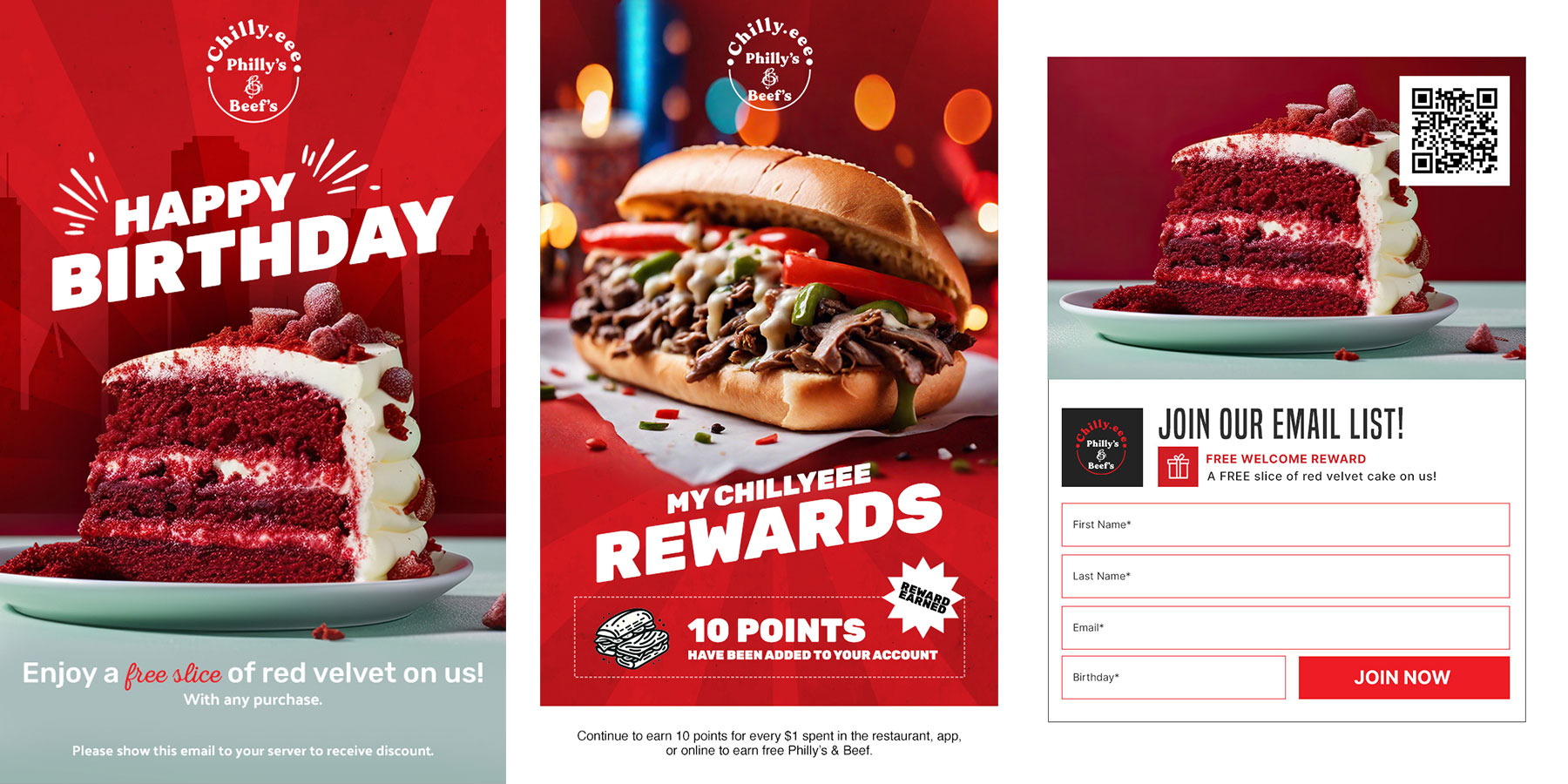
Make joining as simple and frictionless as possible. Whether it’s scanning a QR code, texting to join, or signing up at checkout, fewer steps mean higher adoption.
2. Personalization
Guests want to feel seen. Use data from past orders or preferences to send targeted rewards that reflect what they love most.
3. Tiered Rewards
Incentivize loyalty with levels that unlock more value as guests spend more. This gamified structure encourages progress and keeps your restaurant top-of-mind.
4. Meaningful Incentives
Go beyond discounts. Offer experiences, exclusive access, and small touches that reflect your brand personality.
5. Omnichannel Integration
Ensure that customers can participate whether they dine in, order online, or use a third-party delivery app. The experience should be seamless everywhere.
Structuring Your Loyalty Program for Maximum ROI
A loyalty program is only as good as its structure. A well-structured program should align with your business objectives, encouraging the kind of behavior that boosts both revenue and guest satisfaction.
This means thinking beyond free appetizers and identifying what customer actions actually impact your bottom line. Then, build your loyalty model to drive those outcomes.
Common Loyalty Objectives:
- Increase visit frequency (e.g., earn a reward every 5th visit)
- Boost check averages (e.g., points for upsells like drinks or desserts)
- Drive traffic during slow periods (e.g., double points on weekdays)
- Grow your customer database (e.g., unlock rewards after opting into email or SMS)
Pro Tip: Make sure your loyalty program is clearly explained on menus, table tents, and social media. Visibility is key to adoption.
Reward Ideas That Actually Work
The key to retention is relevance. Your rewards should excite, delight, and reinforce your brand’s personality. In 2025, cookie-cutter punch cards won’t cut it. Creative, experience-driven rewards are what keep people talking—and coming back.
A mix of emotional and practical incentives can drive both engagement and brand loyalty. These ideas go beyond transactional discounts to create a deeper connection:
- Birthday rewards: Offer a free dessert or drink during the guest’s birthday month to show appreciation and drive a celebratory visit.
- Surprise & Delight: Use unexpected rewards (e.g., a free dish on their 3rd visit) to keep engagement high.
- VIP Access: Let top-tier members reserve for busy nights or get early access to new menu items.
- Giveback Programs: Allow points to be converted into donations to local charities—especially appealing to socially-conscious diners.
- Challenges & Games: Run seasonal loyalty challenges (e.g., visit 3 times this month to unlock a prize).
Tracking Success and Optimizing Over Time
Implementing a loyalty program is just the beginning. Tracking performance and making data-driven adjustments is what ensures long-term success. Loyalty systems should evolve alongside your business and customer preferences.
Key performance indicators (KPIs) will help you gauge effectiveness and identify areas for refinement. Use your POS, CRM, or loyalty platform data to track behaviors and make smart improvements.
Metrics to Monitor:
- Enrollment rate and participation levels
- Redemption rate of rewards
- Average visit frequency of members vs. non-members
- Increase in average spend per visit
- ROI on loyalty promotions (incremental revenue vs. reward costs)
Use this data to test new ideas, retire underperforming incentives, and keep the experience fresh.

Turning Loyalty into Brand Advocacy
True brand loyalty goes beyond repeat business—it creates enthusiastic ambassadors for your restaurant. When guests feel genuinely valued and emotionally connected, they’re more likely to tell their friends, post on social media, and leave glowing reviews.
Loyalty programs offer an opportunity to nurture those connections in a scalable way. By adding storytelling, exclusivity, and engagement touchpoints, you build relationships that go far beyond the transaction.
Ideas to Elevate Loyalty to Advocacy:
- Offer bonus points for referrals
- Invite top members to exclusive tastings or events
- Feature loyal customers on your social media or in newsletters
- Allow feedback or voting on new menu items to create a sense of ownership
In a world where guests have endless options, loyalty is what separates thriving restaurants from struggling ones. A smart loyalty program gives your guests a reason to return, refer others, and feel like part of something bigger.
The most successful restaurants in 2025 will be those that stop viewing loyalty programs as gimmicks and start using them as strategic growth engines. With the right structure, thoughtful rewards, and a brand-driven approach, your loyalty program can become one of the most valuable assets in your marketing toolkit.
Start with intention. Build with insight. Grow with loyalty.